Skip to content
All posts

A Guide to Establishing a Pre-Nap Routine

Introducing a pre-nap routine can significantly ease the transition from awake time to nap time for your baby. Much like a bedtime routine, a pre-nap routine helps signal to your infant that it's time to sleep. This consistency can alleviate any anxiety associated with nap time and foster better sleep habits.

Understanding the Importance of a Pre-Nap Routine:

  1. Predictability: Establishing a predictable pattern helps your baby understand what to expect next, making them more comfortable and willing to wind down.

  2. Cues for Sleep: A pre-nap routine signals that it's time to sleep, helping your baby transition smoothly from activity to rest.

  3. Bonding Opportunity: The routine activities can serve as precious bonding moments between you and your baby.


Crafting a Simple Pre-Nap Routine:

A pre-nap routine doesn’t need to be lengthy; it just needs to be consistent. Here are steps to create a straightforward pre-nap routine:

  1. Choose a Consistent Time: Keeping a consistent nap schedule following your baby's wake window, will make the pre-nap routine more effective.

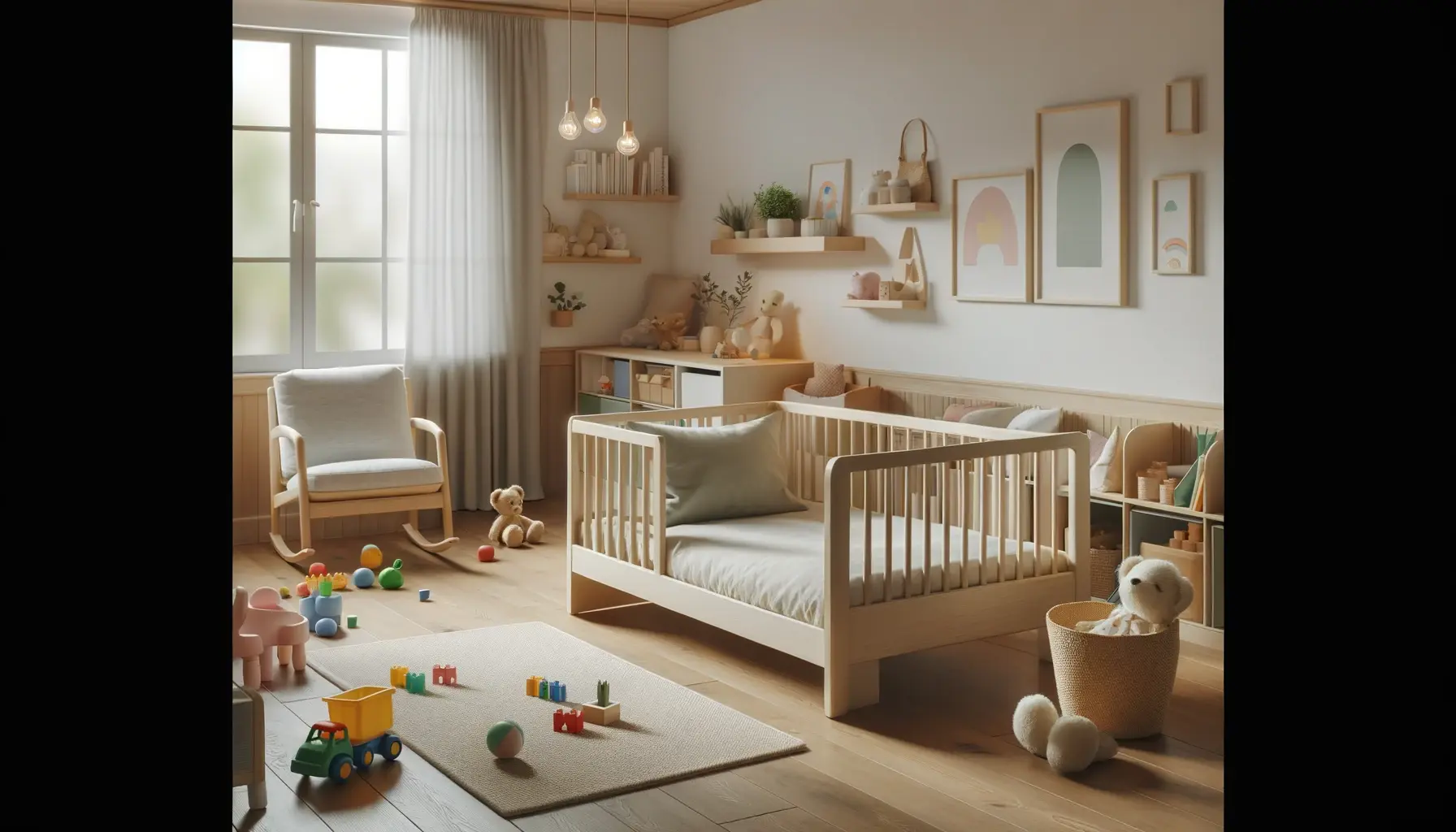
  2. Create a Calming Atmosphere: Dim the lights, draw the curtains, and make the room conducive for sleep.

  3. Engage in Quiet Activity: A gentle song, a short story, or simply cuddling for a few minutes can help signal it's time to wind down.

  4. Use Consistent Phrases: Saying the same phrases like, “It’s nap time,” can provide a clear signal.

  5. Keep it Short: A pre-nap routine should be shorter than your bedtime routine, aiming for around 5-10 minutes.

  6. Place in Crib Awake but Drowsy: This step helps teach your baby to fall asleep independently.


Common Pre-Nap Routine Activities:

  1. Diaper Change: A fresh diaper can make nap time more comfortable.

  2. Reading a Short Book: The rhythmic cadence of your voice can be soothing.

  3. Singing a Lullaby: This age-old method still works wonders in calming babies.

  4. Gentle Rocking or Cuddling: A few moments of calm rocking or warm cuddles can do the trick.

  5. White Noise: Turning on a white noise machine can signal it’s time to sleep and also drown out any distracting noises.


Related posts

Baby Crying Sleep by Age

How does responding immediately to a baby’s cries affect sleep and emotional development?

How parents respond to their baby’s cries can have a significant impact on their baby’s ...

Toddler paiting Sleep by Age

Transitioning from Nap Time to Quiet Time

As your toddler grows, their sleep needs may change, and it might be time to transition ...

Toddler bed Sleep by Age

Toddler Bed Transition Guide

Avoid Toddler Sleep Problems by Delaying the Move to a Toddler Bed.

Our articles are written and medically reviewed by qualified specialists, but they're for informational purposes only and don't replace professional medical advice. Always consult your pediatrician with any questions about your child's health, sleep, or development. Read our full disclaimer and editorial policy.