1. Ideal Room Temperature: It's recommended to maintain a room temperature between 68°F (20°C) and 72°F (22°C). This range provides a comfortable and safe environment, reducing the risk of overheating, a known SIDS (Sudden Infant Death Syndrome) risk factor.
2. Monitor The Room: Invest in a reliable room thermometer to keep a constant check. Some baby monitors have built-in temperature sensors that alert you if it gets too hot or cold.
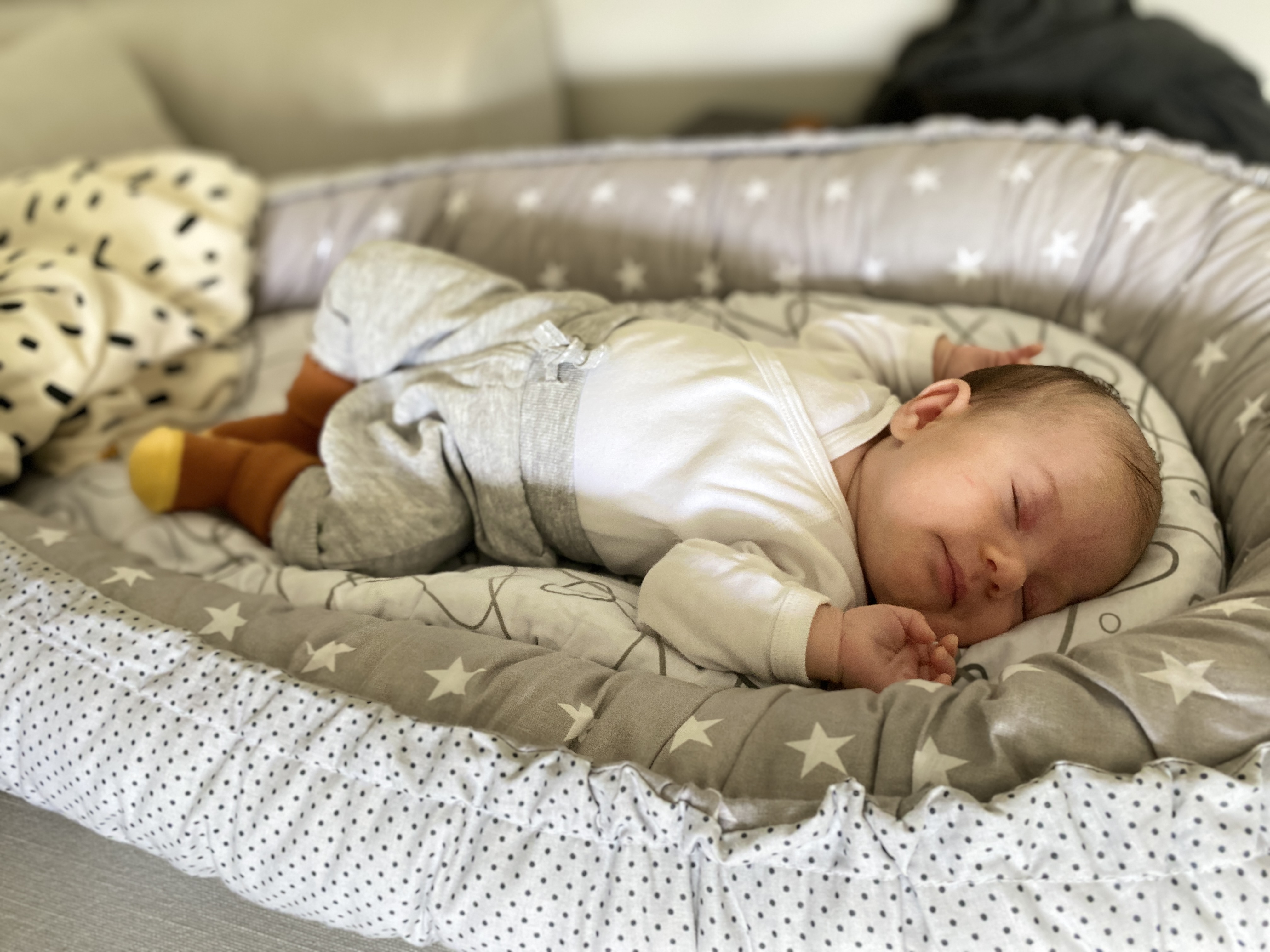
3. Dressing for Bed: Opt for lightweight, breathable materials like cotton. Over-bundling is a common mistake. If you're feeling chilly or hot, your baby probably is too. However, if you are unsure, aiming it a bit cooler than warmer is always safer.
Important: You only dress your baby in one more layer than you are wearing in the first few days. In those first few days, babies are learning to regulate their temperature. Usually, within the first week, they’ve figured it out. Talk with your doctor if you have questions.
4. Use a sleep bag or sack: When purchasing sleepwear or sleeping bags, check the TOG rating. This measures the product's thermal resistance. A higher TOG indicates more warmth. For summer, a TOG of 0.5 to 1 is ideal. Winters might require a 2.5 TOG. All the brands have instructions on how to dress your baby under the sleeping bag according to each TOG rating.
5. Feet Check: A quick way to gauge if your baby is too hot or cold is by feeling their feet. They should be warm, but not hot. Or check if the cheeks are flushed. They are probably too warm. You need to take off a layer. Or use short sleeves instead of long sleeves, or a lighter sleep sack or swaddle.
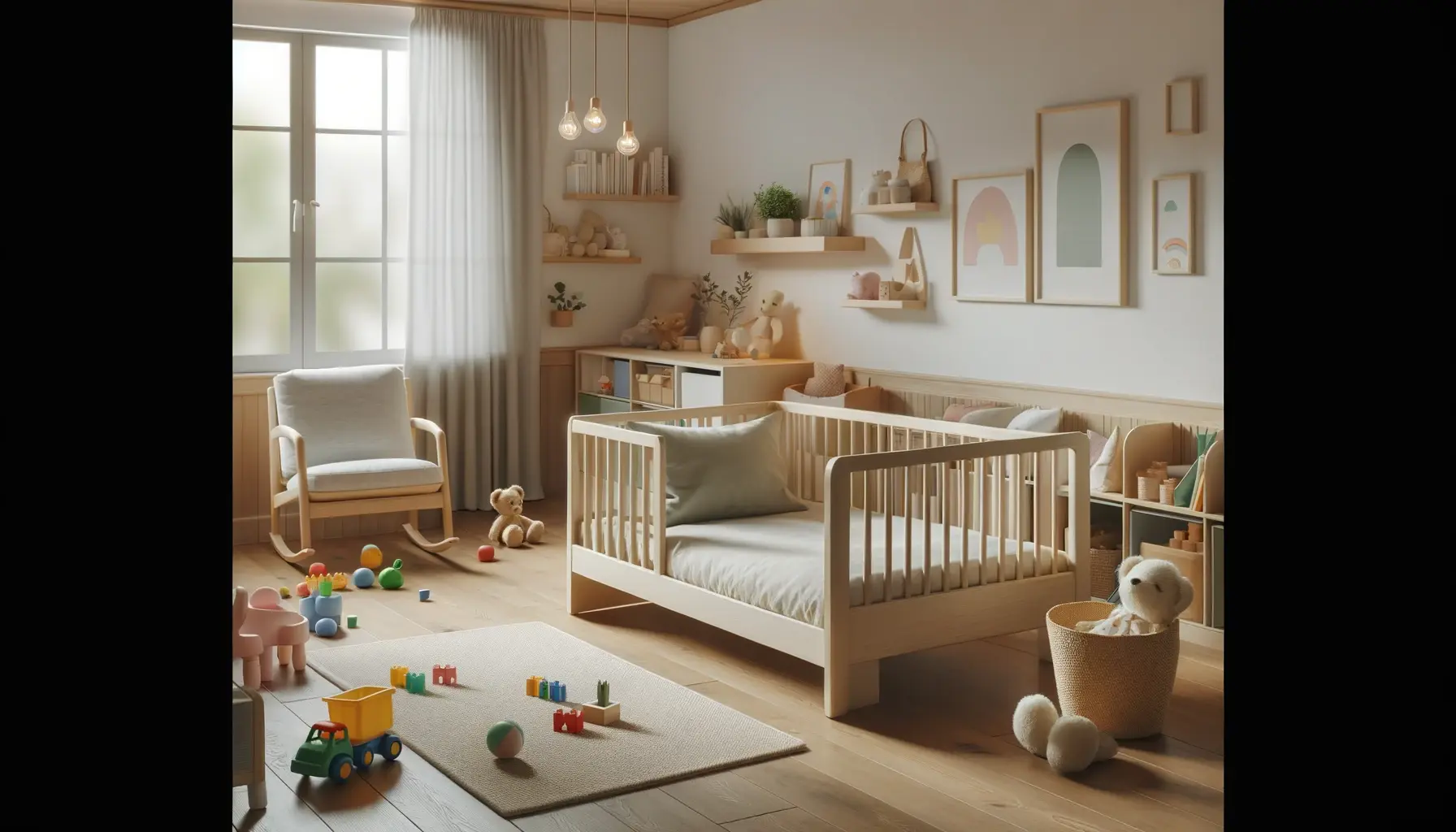
6. Avoid Blankets and Quilts: For infants, it's safer to use sleep sacks. It reduces the risk of suffocation and allows consistent body temperature regulation. Don’t add blankets, hats, stuffed animals or anything loose to the crib.
Continuously monitor your child and adjust as needed, ensuring their sleep environment is as safe and cosy as possible. Always consult with a paediatrician about concerns regarding your baby's sleep environment.