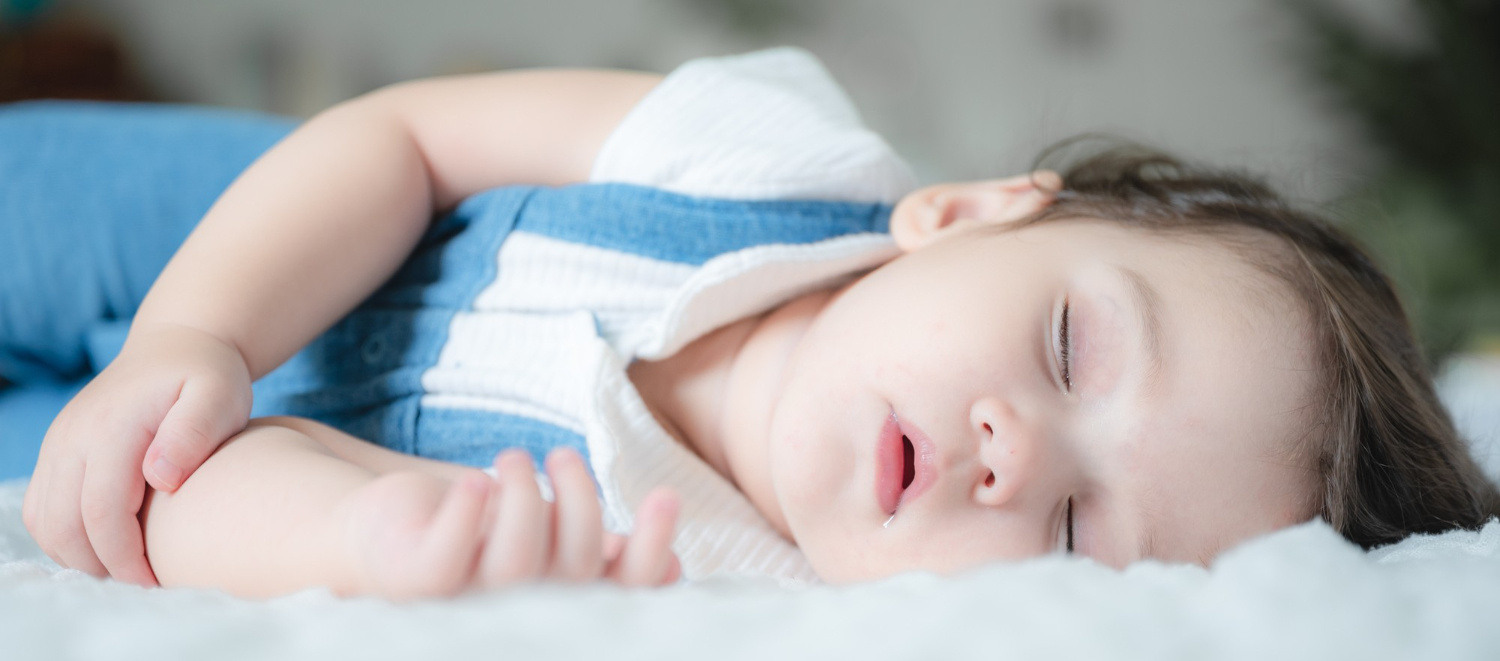
When a child wakes crying or screaming, it can be difficult to understand what is happening. Are they awake and frightened by a dream? Are they still asleep? Why do they seem unable to recognize or respond to you?
Three common childhood sleep disturbances can explain many of these episodes:
- Nightmares.
- Night terrors, also called sleep terrors.
- Confusional arousals.
These events may look similar from the outside, but they occur during different sleep states and require slightly different responses from parents.
Understanding the differences can help you recognize what your child may be experiencing and respond calmly and effectively.
What are nightmares?
A nightmare is a vivid, frightening dream that causes a child to wake from sleep. Nightmares usually happen during REM sleep, the stage in which most vivid dreaming occurs.
Because REM sleep becomes more concentrated as the night progresses, nightmares are more likely to happen during the second half of the night or toward morning.
A child who has had a nightmare is genuinely awake. They usually recognize their parent, seek comfort, and may remember what frightened them.
Signs of a nightmare
Your child may:
- Wake crying or calling for you.
- Appear frightened but alert.
- Recognize you and respond normally.
- Describe a scary dream.
- Ask for reassurance or physical comfort.
- Be reluctant to return to sleep.
- Remember the event the next morning.
What can trigger nightmares?
Occasional nightmares are a normal part of childhood. They may become more frequent because of:
- Frightening stories, games, images, or videos.
- Worries, anxiety, or emotional stress.
- Changes at home, school, or childcare.
- Illness or fever.
- A frightening or traumatic experience.
- Certain medications.
- An irregular sleep schedule or insufficient sleep.
How to support your child after a nightmare
Go to your child and offer comfort. Remind them that they are safe and that the dream is over.
Keep the room calm and dim. Let your child tell you about the dream if they want to, but do not pressure them to describe it.
Help them return to sleep when they feel ready. If the same fears return repeatedly, talk about them during the day when your child feels calm and secure.
What are night terrors?
A night terror is an incomplete awakening from deep non REM sleep. Night terrors most often occur during the first third or first half of the night.
Although a child may look awake, they are still mostly asleep. They may scream, thrash, sweat, breathe rapidly, or appear intensely afraid. Their eyes may be open, but they may not recognize you or respond normally.
Night terrors are often more frightening for the parent than for the child. Most children remember little or nothing the next morning.
Signs of a night terror
Your child may:
- Suddenly scream, shout, or cry.
- Sit upright with their eyes open.
- Look intensely frightened or panicked.
- Sweat, breathe rapidly, or have a racing heartbeat.
- Thrash, kick, or try to leave the bed.
- Fail to recognize or respond to you.
- Resist comforting or become more agitated.
- Return to sleep without remembering the episode.
What can trigger night terrors?
Night terrors may be more likely when a child experiences:
- Insufficient sleep or extreme tiredness.
- Missed naps or a later bedtime.
- An irregular sleep schedule.
- Stress or major changes.
- Fever or illness.
- Travel or sleep interruptions.
- Certain medications.
- Sleep conditions that cause repeated awakenings, such as obstructive sleep apnea.
Night terrors can also run in families. A child may be more likely to experience them if a close relative has a history of night terrors or sleepwalking.
How to support your child during a night terror
Stay calm and remain nearby. Focus on preventing injury rather than trying to stop the episode.
Do not shake your child or repeatedly try to wake them. Avoid bright lights, questions, or attempts to make them respond. These actions may increase their confusion and distress.
Do not restrain your child unless immediate safety requires it. If they get out of bed, gently guide them away from danger.
Most episodes resolve on their own, and the child returns to ordinary sleep.
What are confusional arousals?
A confusional arousal is another incomplete awakening from deep non REM sleep. It is part of the same family of sleep disturbances as night terrors and sleepwalking.
During a confusional arousal, a child is caught between sleep and wakefulness. They may sit up, cry, mumble, push a parent away, or appear awake but deeply confused.
Unlike a night terror, intense fear and strong physical signs of panic are not usually the main features. Confusion, disorientation, and unusual responses are more prominent.
Confusional arousals usually happen during the first part of the night. Most last approximately two to ten minutes, although some may continue longer.
Signs of a confusional arousal
Your child may:
- Sit up or move around in bed.
- Whimper, cry, shout, or mumble.
- Speak slowly or incoherently.
- Look confused or disoriented.
- Seem to look through you.
- Fail to recognize you fully.
- Push you away or resist your help.
- Become more agitated when questioned or awakened.
- Return to sleep with little or no memory of the episode.
What can trigger confusional arousals?
Possible triggers include:
- Insufficient sleep.
- Missed or shortened naps.
- A late or irregular bedtime.
- Being awakened suddenly from deep sleep.
- Fever or illness.
- Stress or changes in routine.
- Noise and other sleep interruptions.
- Certain medications.
- Obstructive sleep apnea or another condition that fragments sleep.
Confusional arousals are not a sign that a child is misbehaving or choosing to reject comfort. The child is not fully awake and cannot respond in their usual way.
How to support your child during a confusional arousal
Stay close and keep your child safe. Use a quiet voice and keep the room dim.
You can offer gentle reassurance or touch if your child accepts it. If talking or touching makes the agitation worse, reduce stimulation and wait nearby.
Avoid asking questions, demanding a response, turning on bright lights, shaking your child, or trying to force them awake.
The episode will usually resolve on its own as the child either wakes fully or returns to deeper sleep.
How can you tell which one your child is experiencing?
Consider four main clues: timing, awareness, behavior, and memory.
Timing
A nightmare is more likely during the second half of the night.
A night terror or confusional arousal is more likely during the first third or first half of the night.
Awareness
After a nightmare, the child is awake and recognizes you.
During a night terror or confusional arousal, the child is still partly asleep. They may have open eyes but seem confused, distant, or unaware of you.
Behavior
A nightmare usually produces fear followed by a search for comfort.
A night terror usually involves intense fear, screaming, thrashing, sweating, or rapid breathing.
A confusional arousal usually involves confusion, crying, mumbling, disorientation, and unusual responses. The child may seem upset without showing the intense physical panic associated with a night terror.
Memory
A child can often remember a nightmare.
A child usually remembers little or nothing about a night terror or confusional arousal.
These categories can overlap. Confusional arousals, night terrors, and sleepwalking are related non REM disorders of arousal. Not every episode will fit perfectly into one category.
How can parents reduce nighttime disturbances?
Support adequate sleep
Insufficient sleep can increase nightmares and non REM parasomnias. Aim for an amount of sleep that is appropriate for your child’s age and individual needs.
If episodes began after dropping a nap or changing bedtime, consider whether your child may be getting less sleep than before.
Keep the sleep schedule consistent
Try to maintain predictable bedtimes, wake times, and nap times. Large changes in the sleep schedule may make partial awakenings more likely.
Create a calming bedtime routine
Choose quiet, familiar activities before bed. Reduce frightening or highly stimulating content, especially if your child is prone to nightmares.
Address fears during the day
Invite your child to talk about worries when they are calm. Reassure them without reinforcing the idea that an imagined threat is real.
Keep a sleep diary
For one or two weeks, record:
- Bedtime and estimated sleep time.
- Nap timing and duration.
- When each episode begins.
- What the episode looks like.
- How long it lasts.
- Whether your child remembers it.
- Recent illness, stress, travel, or schedule changes.
- Snoring, gasping, breathing pauses, or restless sleep.
A short video may help a pediatrician understand what is happening, as long as recording does not interfere with keeping your child safe.
When should you contact a pediatrician?
Speak with a pediatrician if the episodes:
- Happen frequently or become more intense.
- Regularly last a long time.
- Cause injury or create a risk of leaving the room or house.
- Significantly disturb the child’s or family’s sleep.
- Cause unusual daytime sleepiness or changes in behavior.
- Include loud snoring, gasping, breathing pauses, or persistent mouth breathing.
- Involve stiffening, rhythmic jerking, drooling, unusual posturing, or loss of bladder control.
- Look exactly the same each time and happen repeatedly or in clusters.
- Begin unexpectedly in an older child or continue into later adolescence.
- Do not fit the usual pattern or leave you concerned.
FAQ
Should I wake my child during a night terror or confusional arousal?
Usually, no. Trying to force a child awake may increase confusion and agitation. Stay nearby, protect them from injury, and allow the episode to resolve.
Should I comfort my child?
Comfort is appropriate after a nightmare because the child is awake and frightened.
During a night terror or confusional arousal, you can offer quiet reassurance or gentle touch. If your child becomes more agitated, reduce stimulation while remaining close.
Are these sleep disturbances harmful?
Occasional nightmares, night terrors, and confusional arousals are usually harmless. Medical advice is appropriate when they are frequent, dangerous, unusually prolonged, or associated with other symptoms.
Will my child grow out of them?
Many childhood sleep disturbances become less frequent with age. The timeline varies from child to child.